

Building a Culture of Excellence: Moving from "I" to "WE"
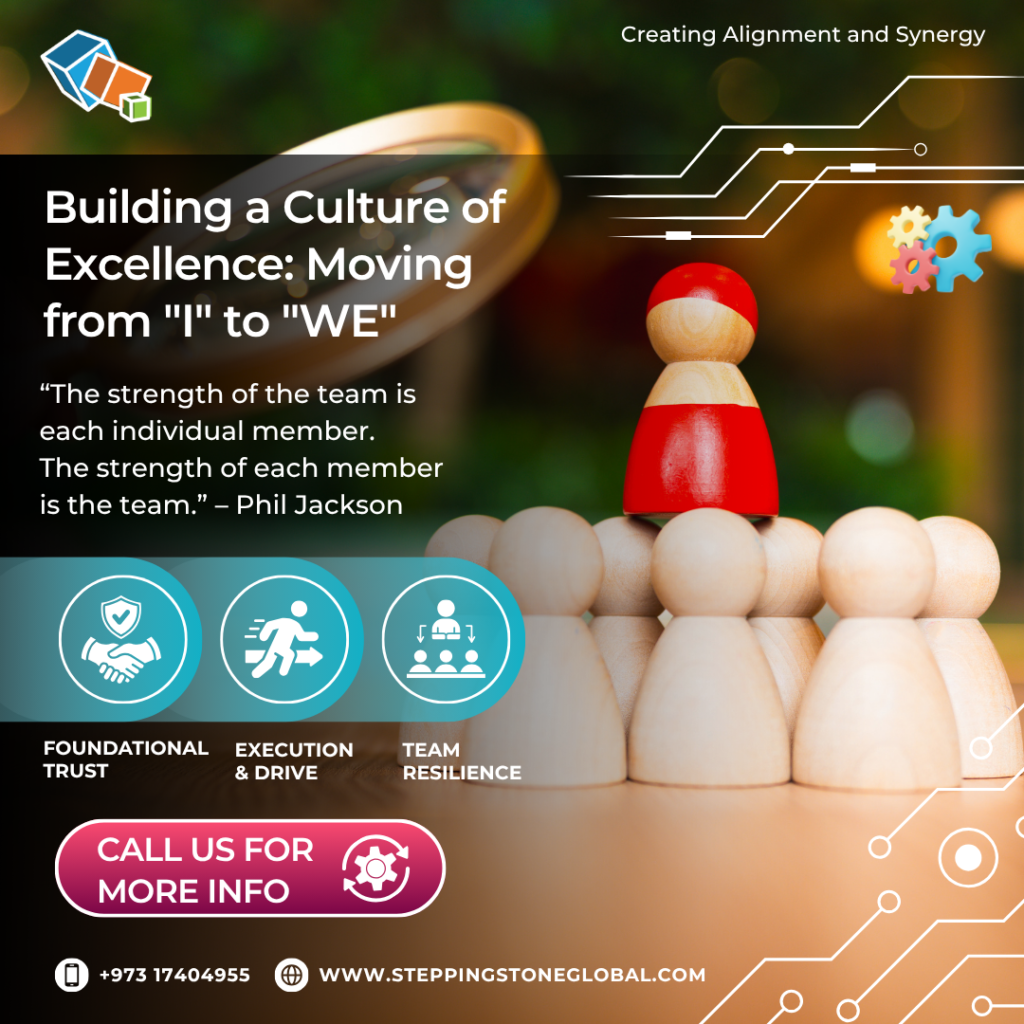
In modern organizations, high performance is rarely the result of isolated talent. It is the product of a shared culture—a collective set of behaviors, accountability standards, and mindsets that define how a team operates every single day.
At SteppingStone Global, we consistently observe that the most resilient and successful organizations are those that make a fundamental shift: moving away from self-preservation and silos toward a unified, "WE-first" mentality. In his acclaimed book Begin With WE: 10 Principles for Building and Sustaining a Culture of Excellence, author and leadership expert Kyle McDowell outlines a powerful blueprint for workplace transformation. Below, we explore how these ten principles provide a practical guide to elevating your team’s engagement and performance.
The 10 WEs
- We Do the Right Thing Always - Integrity is the bedrock of organizational trust. Doing the right thing when it is convenient is simple; adhering to ethical standards when it requires sacrifice or tough decisions is what defines character.
- We Lead by Example - Leadership is defined by action, not titles. When executives and managers model the exact discipline, respect, and work ethic they expect from others, it eliminates cynicism and sets an inspiring benchmark across the enterprise.
- We Say What We're Going to Do. Then We Do It. - Reliability is the foundation of operational momentum. When commitments are consistently met, internal friction disappears, and execution becomes predictable.
- We Take Action - Analysis paralysis slows progress. High-performing teams maintain a deliberate bias for action. Strategic planning is crucial, but execution is what generates real feedback, adaptation, and growth.
- We Own Our Mistakes - In cultures dominated by blame, errors are hidden and solutions delayed. When teams cultivate psychological safety, owning mistakes becomes a constructive step toward quick resolution and continuous improvement.
- We Pick Each Other Up - Sustained performance is a marathon. A healthy workplace operates as a mutual support network where team members step in during challenging seasons, ensuring shared burdens and celebrated victories.
- We Measure Ourselves by Outcome - Busywork and long hours do not equate to progress. By anchoring performance metrics to tangible, high-value outcomes, teams maintain alignment on strategic goals rather than low-impact activities.
Core Pillars of the Framework
- Foundational Trust: Doing the right thing, leading by example, and delivering on promises to eliminate internal politics.
- Execution & Drive: Taking action, measuring real outcomes, and focusing on detail to maintain momentum.
- Team Resilience: Owning mistakes, supporting colleagues, and engaging in respectful, constructive debate.
- We Challenge Each Other. Diplomatically - Polite consensus often yields mediocrity. Exceptional teams encourage rigorous debate and constructive dissent. The key is diplomacy—challenging ideas directly without diminishing the individual.
- We Embrace Challenge - Growth occurs outside the comfort zone. Rather than viewing tight deadlines or market shifts as threats, resilient organizations treat obstacles as opportunities to innovate and refine their capabilities.
- We Obsess Over Details - The distinction between good and extraordinary lies in the final details. By taking pride in precision across every process, interaction, and deliverable, an organization sets itself apart from competitors.
A true culture of excellence is not built through passive inspiration; it requires continuous operational reinforcement. Integrating these principles into hiring criteria, executive coaching, team reviews, and daily decision-making ensures that values transition from words on a wall into habitual practice.
At SSG, we specialize in helping organizations convert strategic vision into tangible cultural change. Whether through executive coaching, leadership development, or custom alignment workshops, we guide teams to unlock their full potential.