

How Can I Help? The Transformative Power of Service-Oriented Leadership
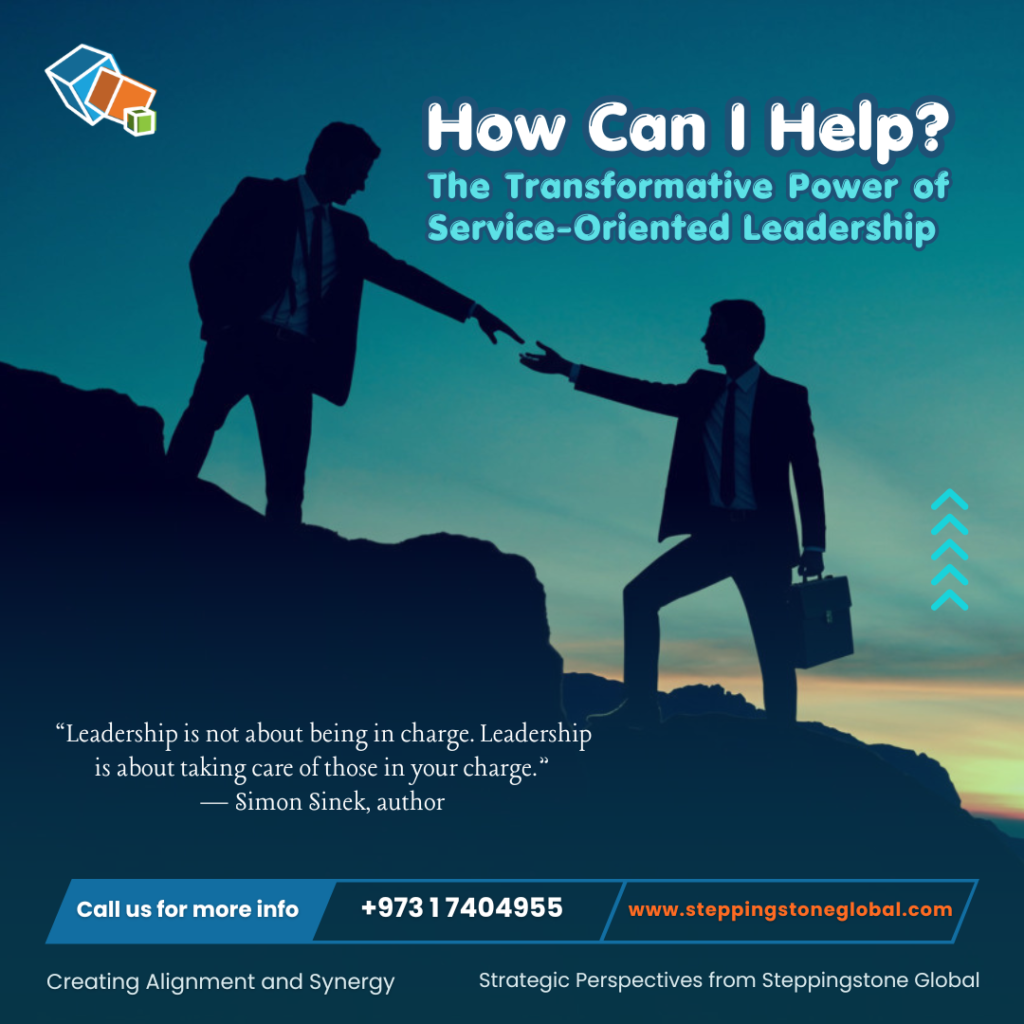
In the fast-paced modern workplace, leadership is often misunderstood as a game of command and control. We look to executives, managers, and directors to have all the answers, dictate strategies, and drive performance from the top down. Yet, sustainable growth, organizational resilience, and high performance rarely stem from authoritarian directives. Instead, true transformation begins with a simple, profound shift in perspective: moving from a posture of authority to one of genuine support. At the heart of this approach is a deceptively simple question: "How can I help?"
The Shift from Transactional Management to Human-Centric Leadership
Traditional management models treat people like cogs in a machine—resources to be allocated, monitored, and optimized. But organizations are living ecosystems comprised of individuals with unique strengths, emotional needs, and professional aspirations. When leaders operate purely transactionally, engagement drops, innovation stalls, and workplaces become rigid. A human-centric leadership philosophy emphasizes optimizing available human potential through solution-oriented communication and structured collaboration. Asking "How can I help?" is the catalyst for this optimization. It disarms defensiveness, fosters psychological safety, and opens the door for authentic dialogue. When a leader shifts from telling employees what to do to asking how they can facilitate their success, the entire dynamic alters from pressure-driven compliance to shared purpose.
Removing Obstacles: The Real Role of a Leader
When you genuinely ask someone how you can help, you immediately redefine your role. You are no longer just an evaluator; you become an enabler. In any organization, productivity is rarely hindered by a lack of effort. More often, it is choked by roadblocks: unclear priorities, siloed communication, misaligned processes, or emotional burnout. A leader’s true job is to clear the path so that their team can execute their work effectively. By asking "How can I help?", you invite team members to surface hidden friction points—whether it's a technical bottleneck, a resource shortage, or a lack of clarity—allowing you to deploy your strategic influence where it matters most.
Cultivating Resilience, Agility, and Lean Thinking
Modern businesses must navigate constant change. Whether adapting to market shifts or internal restructuring, building an organization that is lean, agile, and resilient requires deep trust across all tiers. True agility cannot be mandated from an office; it must be practiced on the ground. When leaders consistently model service-oriented inquiry, it creates a ripple effect throughout the corporate culture. Employees stop hiding challenges and start collaborating on solutions. They begin asking the same question of their peers and clients: How can I help? This transforms the corporate culture from a blame-shifting environment into a supportive, solution-oriented community capable of weathering disruption.
Putting the Philosophy into Practice
Embracing "How can I help?" requires more than just uttering the words—it requires active listening and structured follow-through. To bring this concept to life in your daily leadership:
-
Listen without immediate judgment: When someone shares a challenge, resist the urge to jump straight into fixing it. Understand their perspective first.
-
Focus on enablement over oversight: Ask yourself what tools, resources, or guidance your team needs to thrive independently.
-
Align support with strengths: Tailor your assistance to unlock the unique human potential inherent in your team members, empowering them to lean into their natural talents.
Ultimately, asking "How can I help?" is not a sign of weakness or submissiveness; it is the ultimate expression of strength-based leadership. By shifting our focus toward serving others, optimizing human capital, and building collaborative bridges, we unlock higher performance, deeper fulfillment, and sustainable growth that benefits everyone involved.