

The Leadership Evolution: Strategic Insights for High-Performing Culture
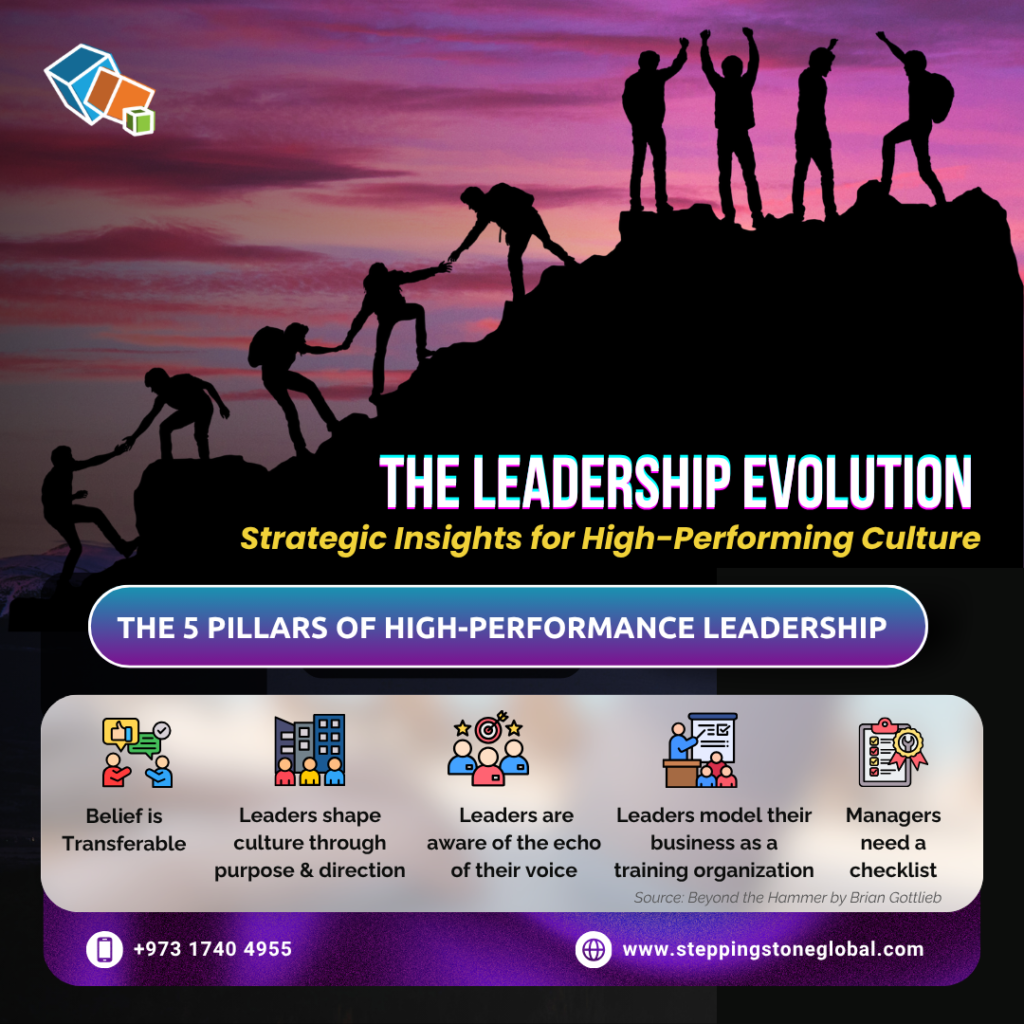
In an era of rapid disruption, leaders often find themselves trapped in a cycle of constant "firefighting"—managing daily crises and putting out operational fires rather than driving strategic growth. If you have ever felt that your organization is overly reliant on you to solve every minor problem, you are not alone. We recently explored the insights from Brian Gottlieb's transformative book, Beyond the Hammer: A Fresh Approach to Leadership, Culture, and Building High Performance Teams. Gottlieb masterfully blends a compelling business parable with actionable management frameworks to help leaders break free from operational chaos. Because these learnings align so closely with the growth strategies we value, we wanted to share the most impactful takeaways with you.
The 5 Pillars of High-Performance Leadership
1. Belief is Transferable
Confidence and belief flow from the top down. When a leader projects genuine confidence in their team’s capabilities, it directly transfers to the employees. Great leaders inspire their teams to step into new challenges and embrace responsibilities long before the employees fully believe in themselves. By transferring your belief, you counter the fear and uncertainty that often stifle innovation and independent problem-solving.
2. leaders shape culture through purpose and direction Workplace culture isn’t just a corporate buzzword; it exists whether you actively manage it or not. If left unguided, organizations naturally default to the lowest acceptable behaviors. Gottlieb emphasizes moving to a culture where the company’s
"Technical expertise does not automatically equal leadership. True growth requires prioritizing human development over raw output."
3. Leaders are aware of the echo of their voice
Every word, tone, and action of a leader reverberates throughout the entire organization. A manager’s stress, body language, or poorly delivered feedback can severely impact morale and retention. Being mindful of your "echo" ensures that your influence builds up your team rather than breaking it down. Remember: communication sets the emotional baseline for your entire workplace.
4. Leaders model their business as a training organization
High-performing companies do not treat training as a one-time onboarding event. Instead, they operate as continuous training organizations. Skill development and daily coaching are viewed as core business drivers rather than HR formalities. By investing consistently in your people, you create an adaptable, highly skilled workforce ready to tackle evolving challenges.
5. Managers need a checklist
To truly eliminate firefighting, leaders must replace chaotic, hands-on interventions with repeatable systems. Clear operational frameworks and explicit checklists clarify expectations and grant employees the autonomy to execute tasks confidently. When the process is managed by a system, leaders are freed to focus on strategic vision rather than micromanagement.
From Chaos to Clarity
Shifting from a reactive manager to a proactive leader requires a fundamental change in perspective. By focusing on people over production, systematizing daily operations, and fostering an environment where mistakes are viewed as learning opportunities rather than failures, you can build a self-sustaining, high-performance team.
We hope these insights inspire you as much as they inspired us. If you’re interested in discussing how these principles can be applied to your specific business challenges, our team is always here to help.