

The Power of Succession Planning for Your Organization’s Future
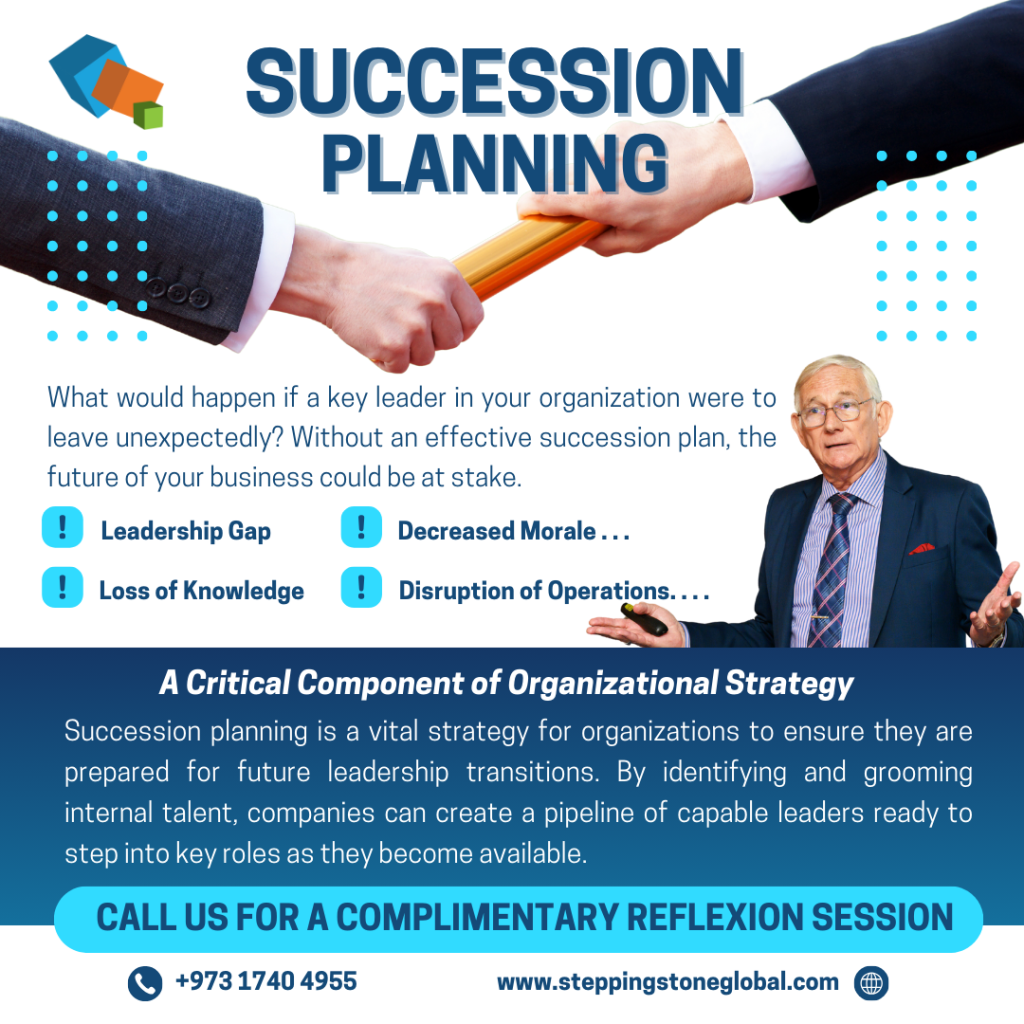
Succession Planning is a critical component of organizational strategy for several reasons:
- Continuity of Leadership: Effective succession planning ensures that there is a clear roadmap for leadership transitions. This continuity helps maintain stability and direction within the organization, preventing disruptions that can occur when key leaders leave unexpectedly
- Talent Development: By identifying and nurturing potential leaders within the organization, succession planning fosters a culture of growth and development. Employees are motivated to enhance their skills and capabilities, knowing that opportunities for advancement are available
- Retention of Knowledge: Succession planning helps retain institutional knowledge by preparing successors who are familiar with the organization's culture, processes, and challenges. This minimizes the loss of valuable insights that could occur with turnover
- Strategic Alignment: It aligns the organization’s future needs with its current talent pool. By understanding the skills and competencies required for future roles, organizations can proactively develop their workforce to meet these needs
- Risk Management: Succession planning mitigates risks associated with sudden departures of key personnel. It ensures that there are qualified individuals ready to step into critical roles, reducing the potential impact on operations and performance
- Enhanced Morale and Engagement: Employees feel more secure and valued when they see a clear path for advancement. This can lead to higher levels of engagement, motivation, and productivity within the workforce
- Improved Recruitment Strategies: With a succession plan in place, organizations can better identify gaps in skills and competencies, leading to more strategic hiring practices. This ensures that new hires complement the existing talent pool and contribute to long-term goals
- Adaptability and Agility: Organizations that prioritize succession planning are more agile in responding to changes in the market or industry. They can quickly fill leadership roles with individuals who are ready and capable of driving the organization forward
In conclusion, succession planning is not just a safety net; it is a strategic initiative that contributes to the long-term success and resilience of an organization. By investing in the future of its leadership, an organization can navigate challenges more effectively and achieve its goals with greater confidence