

Securing the Future: Why Succession Planning Is an Indispensable Strategic Imperative
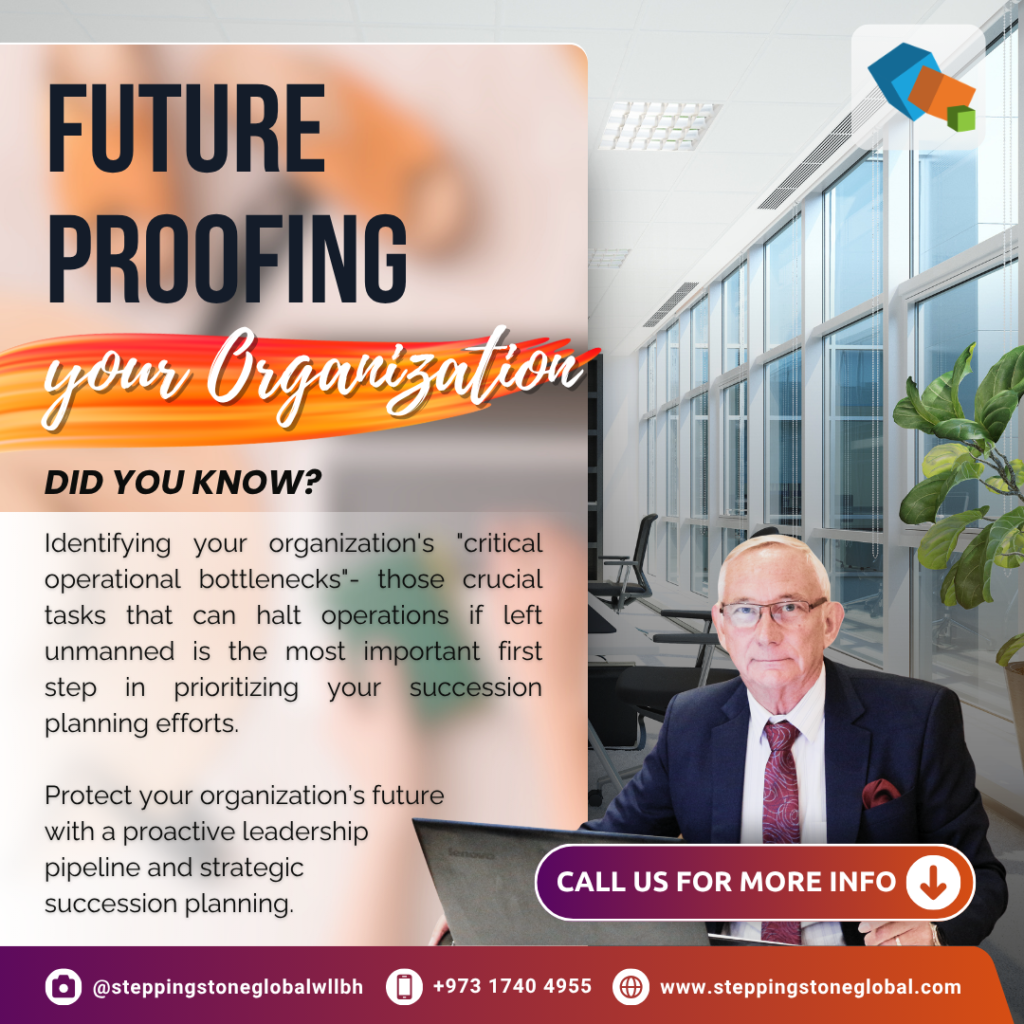
In today’s volatile business landscape, organizational resilience is defined not merely by how well a company performs today, but by how seamlessly it can lead tomorrow. All too often, succession planning is relegated to a reactive human-resources checklist or treated as a contingency file locked away for emergencies. In high-performing organizations, however, leadership continuity is treated as what it truly is: a core pillar of enterprise governance and long-term value creation.
Developing a robust leadership pipeline is an active, ongoing commitment. By systematically identifying, mentoring, and advancing internal talent, forward-thinking organizations build an agile bench of leaders equipped to protect enterprise momentum.
The Strategic Value of Proactive Succession
Investing in leadership readiness delivers measurable advantages across every facet of an organization:
- Uninterrupted Operational Continuity: Sudden transitions at the helm can paralyze strategic momentum and erode market confidence. A structured succession roadmap ensures seamless transitions, preserving operational stability and maintaining stakeholder trust when leadership changes occur.
- Proactive Enterprise Risk Management: Vacancies in mission-critical roles create operational bottlenecks and strategic vulnerabilities. Succession planning functions as vital organizational insurance, shielding the business from the destabilizing effects of unexpected departures.
- Preservation of Institutional Capital: When senior leaders exit without a planned transition, decades of proprietary knowledge, client rapport, and cultural nuances leave with them. Grooming successors from within safeguards institutional wisdom and reinforces cultural integrity.
- Strategic Capability Alignment: The leadership attributes required for the next decade will rarely mirror those of the last. Succession planning forces executive leadership to forecast future competencies, aligning internal development programs directly with long-term commercial goals.
- Elevated Retention and Internal Morale: High-potential talent demands upward mobility. Transparent progression pathways signal to emerging leaders that their contributions are valued, driving sustained engagement, performance, and long-term retention.
- Precision Recruitment and Smarter Talent Acquisition: A clear mapping of internal competencies illuminates exact skill deficits. This enables executive hiring teams to recruit externally with surgical precision, targeting only those capabilities that cannot be built organically.
- Enhanced Market Agility: Market disruptions require immediate, decisive leadership. Organizations with dynamic talent pipelines can mobilize qualified leaders rapidly to capitalize on new opportunities, enter emerging markets, or navigate crises without hesitation.
From Contingency to Competitive Advantage
Succession planning is far more than an organizational safety net; it is a catalyst for sustainable growth. When leadership development is woven directly into executive strategy, organizations eliminate the chaos of unplanned transitions and cultivate a culture of continuous excellence. Preparing tomorrow’s leadership today ensures that when opportunity—or disruption—arrives, the organization steps forward from a position of undisputed strength.